How to Judge if a Zero-Carbohydrate Carnivore Diet Changes Synthetic Vitamin Absorption: What the Evidence Shows in 2026
Short answer: a zero-carb carnivore diet does not have clear human proof that it changes synthetic vitamin absorption in a broad way. Fat in the meal can help absorb vitamins A, D, E, and K. Vitamin C tablets still absorb well. The bigger issue looks like nutrient gaps, not a proven absorption switch. [2026 carnivore review] [NIH vitamin C] [NIH vitamin D]
Table of contents
- 1. What is the fast take?
- 2. What evidence do we have in 2026?
- 3. How do fat-soluble vitamins act on carnivore?
- 4. How do water-soluble vitamins act?
- 5. Are synthetic vitamins harder to absorb?
- 6. What nutrient gaps show up on carnivore?
- 7. What do experts say?
- 8. What does one real-world case snapshot show?
- 9. What should you do in the next 30 days?
- 10. FAQ
- 11. Schema notes
- 12. Image and chart picks
- 13. Internal link ideas
- 14. Sources
Executive summary
- No direct trial shows that a zero-carb carnivore diet changes synthetic vitamin absorption as a whole. The 2026 scoping review found only nine human studies, and none tested supplement absorption head to head. [2026 carnivore review]
- Fat-soluble vitamins still follow fat rules. NIH says vitamin D absorption rises with fat in the gut, yet some absorption still happens without fat. A 50-person trial found a 32% higher peak vitamin D3 level with a fat-containing meal. [NIH vitamin D] [JAND trial]
- Vitamin C does not need carbs in the diet to absorb. NIH says 70% to 90% is absorbed at 30 to 180 mg per day. Above 1 gram per day, absorption drops below 50%. [NIH vitamin C]
- The main danger looks like low intake of some nutrients, not a proved failure to absorb pills. A 2024 case-study model found shortfalls in vitamin C, thiamin, magnesium, calcium, and fiber. [Nutrients case-study model]
What evidence do we have in 2026?
As of March 2026, the clean answer is still modest. We have recent carnivore diet papers. We have good work on vitamin absorption. But we do not have a direct human trial that asks this exact question: “Does a zero-carb carnivore diet change how your body absorbs synthetic vitamins?” The 2026 scoping review found nine human carnivore studies. It flagged nutrient shortfalls and weak long-run evidence. It did not report direct tests of synthetic vitamin absorption on carnivore. That gap matters more than social media claims. [2026 carnivore review]
| Question | Best source in this review | What it says |
|---|---|---|
| Does carnivore change supplement absorption? | 2026 scoping review | No direct proof. Nine human studies. None measured synthetic vitamin absorption head to head. |
| Does fat help fat-soluble vitamins? | NIH + vitamin D trial + systematic review | Yes. Fat helps. Vitamin D3 peak level was 32% higher with a fat-containing meal in one trial. |
| Does vitamin C need carbs? | NIH vitamin C fact sheet | No direct proof says carbs are a main driver. Absorption mostly tracks dose. |
| What is the bigger carnivore problem? | 2024 modeled meal-plan paper | Shortfalls in vitamin C, thiamin, magnesium, calcium, and fiber look more clear than an absorption shift. |
How do fat-soluble vitamins act on a zero-carb carnivore diet?
Vitamins A, D, E, and K travel with fat. That part does not change just from cutting carbs. NCBI says these vitamins are “absorbed and transported in a manner similar to that of fats.” NIH says the presence of fat in the gut helps vitamin D absorption, yet some vitamin D still absorbs without fat. NIH says preformed vitamin A esters from supplements absorb at 70% to 90%. NIH says vitamin E needs some fat for the gut to absorb it. So, if a carnivore diet is rich in fat and you have normal bile flow, pancreas work, and gut function, fat-soluble pills may absorb well. But this is meal chemistry, not proof of a carnivore-only metabolic edge. [NCBI fat-soluble vitamins] [NIH vitamin D] [NIH vitamin A] [NIH vitamin E]
One of the best direct tests looked at vitamin D3. In a one-day trial, 50 healthy older adults took a 50,000 IU dose with breakfast. The mean 12-hour peak plasma vitamin D3 level was 32% higher with a fat-containing meal than with a fat-free meal. A later systematic review that screened 2,069 records and kept 46 studies reached the same broad point: vitamin D was better absorbed with fat-containing meals, yet absorption still happened without fat or oily vehicles. [Dietary fat increases vitamin D-3 absorption] [Systematic review of vitamin D absorption]
How do water-soluble vitamins act on carnivore?
Water-soluble vitamins do not lean on meal fat the same way. For this topic, vitamin C is the one people ask about most. NIH says vitamin C absorption is about 70% to 90% at 30 to 180 mg per day. At doses above 1 gram per day, absorption falls below 50%, and extra ascorbic acid is lost in urine. That means pill size matters more than zero carbs. A split dose often makes more sense than one huge dose. NIH does note that oxidized vitamin C can enter cells through some glucose transporters, yet that is a cell transport point. It is not proof that eating carbs is a main driver of vitamin C absorption from a supplement. [NIH vitamin C]
The same caution applies to claims that a zero-carb state cuts vitamin C need so much that low intake stops mattering. The 2026 carnivore review mentions this idea as a theory, not as settled human proof. The 2024 modeled carnivore paper still found vitamin C shortfalls. In the 2026 review, modeled intakes ranged from 1.21 to 33.2 mg for men and 1.22 to 16.8 mg for women, against a 45 mg reference value in that paper’s frame. So the clean reading is simple: do not confuse theory about lower need with proof of strong intake or proof of better absorption. [2026 carnivore review] [2024 nutrient model]
Are synthetic vitamins harder to absorb than food vitamins?
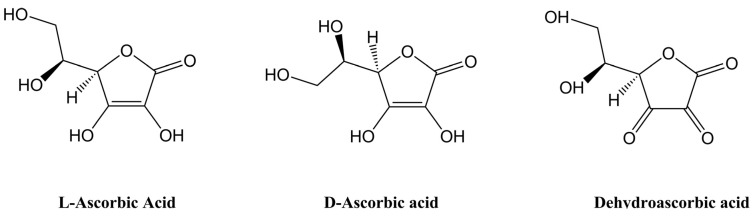
For vitamin C, human data say no. A review in Nutrients states: “all steady state comparative bioavailability studies in humans have shown no differences between synthetic and natural vitamin C.” The Linus Pauling Institute says natural and synthetic L-ascorbic acid are chemically identical. It adds that vitamin C from cooked broccoli, orange juice, orange slices, and synthetic tablets was equally bioavailable in one study of 68 male nonsmokers. So, on present evidence, a carnivore diet does not make synthetic vitamin C look second-rate by default. [Synthetic or food-derived vitamin C review] [Linus Pauling Institute]
For fat-soluble vitamins, the better question is not “synthetic or food?” The better question is “What is the dose, what form is used, what meal is it taken with, and is fat absorption normal?” NIH says preformed vitamin A esters from supplements absorb at 70% to 90%. Vitamin D absorbs better with fat in many studies. Vitamin E needs some fat. So a fatty carnivore meal may help these pills do their job. Yet that help comes from fat-linked absorption rules that apply in any diet, not from clear proof that zero carbs reshape the gut in a way that helps all synthetic vitamins. [NIH vitamin A] [NIH vitamin D] [NIH vitamin E]
What nutrient gaps show up on carnivore meal plans?
The 2024 case-study model is useful here. It tested four carnivore menus against Australian and New Zealand reference values. The diet met or beat targets for riboflavin, niacin, phosphorus, zinc, vitamin B6, vitamin B12, selenium, and vitamin A. But it fell short in thiamin, magnesium, calcium, and vitamin C, with gaps in iron, folate, iodine, and potassium in some plans. Fiber intake was less than 1% of the adequate intake. Even with dairy, calcium reached only 84% of the female target and 74% of the male target in the paper’s example. [Nutrients case-study model] [PubMed record]
| Nutrient area | What the model found | What that means in plain words |
|---|---|---|
| Vitamin C | Below target | You may need a food change, a low-dose supplement plan, or lab follow-up. |
| Thiamin | Below target | Heavy reliance on muscle meat can leave a gap. |
| Calcium | Below target in all plans | Bone support can get shaky if dairy or other calcium inputs stay low. |
| Magnesium | Below target in all plans | Cramps, fatigue, and low intake can overlap. |
| Fiber | <1% of adequate intake | This does not prove harm in each person, but it marks how narrow the diet is. |
What do experts say?
“For all these reasons, … the carnivore diet sounds like basically a terrible idea.”
Walter Willett, MD, DrPH
Professor of Epidemiology and Nutrition, Harvard T.H. Chan School of Public Health [Harvard]
“When you omit entire food groups from your diet, there are consequences.”
Kate Patton, RD, LD
Registered dietitian, Cleveland Clinic [Cleveland Clinic]
“The presence of fat in a meal with which a vitamin D-3 supplement is taken significantly enhances absorption of the supplement.”
Bess Dawson-Hughes, MD
Lead author, vitamin D trial, Journal of the Academy of Nutrition and Dietetics [PubMed]
“All steady state comparative bioavailability studies in humans have shown no differences between synthetic and natural vitamin C.”
Anitra Carr, PhD, and Margreet Vissers, PhD
Authors, vitamin C bioavailability review, Nutrients [PMC]
What does one real-world case snapshot show?
A survey of 2,029 adults who said they ate a carnivore diet gives a look at real-world behavior, not proof of cause and effect. Median diet length was 14 months. About 67% were male. About 37% said they did not use vitamin supplements. Self-reported overall health improvement was 95%. Median BMI fell from 27.2 to 24.3. This is useful for one reason: many people on carnivore are not leaning on pills every day. But the study is still self-reported and needs long-run follow-up. It does not answer absorption. [PubMed carnivore survey]
What should you do in the next 30 days?
If you eat zero-carb carnivore and want better odds with supplements, use a slow, test-first plan.
- Days 1–7: log food, fluids, organ meats, dairy, salt, and each pill. Keep brand, dose, and time. This gives you a real map.
- Days 8–10: sort each supplement by type. Take vitamins A, D, E, and K with a meal that has fat. Split large vitamin C doses into smaller doses.
- Days 11–14: review likely gaps. Pay extra care to vitamin C, calcium, magnesium, thiamin, folate, iodine, and potassium if your menu is narrow. [2024 nutrient model]
- Days 15–21: ask a clinician if labs fit your case. A common set is 25-hydroxy vitamin D, CBC, CMP, lipids, B12, folate, ferritin, and iron markers.
- Days 22–30: change one thing at a time. That might mean a lower, split vitamin C dose, taking vitamin D with your fattiest meal, or filling a calcium gap.
Stable energy, fewer cramps, normal stools, no bleeding gums, and labs moving the right way.
Constipation, fatigue, cramps, low food variety, or very high supplement doses.
Easy bruising, gum bleeding, new weakness, bone pain, numbness, or rising LDL-C on a very high saturated fat intake.
One more point: gut and bile health may matter more than carb count. NCBI notes that poor bile flow and fat malabsorption can lower absorption of fat-soluble vitamins. A pilot study in 20 adults found that metabolic syndrome changed vitamin A exposure more than vitamin D2 exposure. So body state may matter more than “zero carb” by itself. [NCBI fat-soluble vitamins] [Pilot study in adults with metabolic syndrome]
FAQ
Does a carnivore diet make synthetic vitamins absorb better?
No clear human trial says that. Fat-rich meals can help fat-soluble vitamins. That is not the same as proof that zero carb makes all synthetic vitamins absorb better. [2026 carnivore review] [Vitamin D systematic review]
Does vitamin C need carbs in the diet to absorb?
No. NIH says vitamin C absorption mostly tracks dose. About 70% to 90% is absorbed at 30 to 180 mg per day, and less than 50% above 1 gram per day. [NIH vitamin C]
Should I take vitamin D with my fattiest carnivore meal?
That is a reasonable move for many people. One trial found a 32% higher peak vitamin D3 level with a fat-containing meal than with a fat-free meal. [Vitamin D3 meal trial]
Are synthetic vitamin C tablets worse than fruit for absorption?
Human studies do not show that. Reviews say synthetic and food-derived vitamin C are equally bioavailable in people. [Vitamin C review] [Linus Pauling Institute]
What is the main risk on strict carnivore: poor absorption or poor intake?
Present evidence points more to poor intake of some nutrients. Recent papers flag vitamin C, calcium, magnesium, thiamin, and fiber shortfalls. [2024 nutrient model] [2026 carnivore review]
Can I skip labs if I feel fine?
Symptoms can lag behind intake gaps. If you stay on a narrow diet for weeks or months, lab work can catch issues early. That is extra true if you use high-dose supplements or have gut, liver, gallbladder, or pancreas issues.
Sources
- Carnivore Diet: A Scoping Review of the Current Evidence, Potential Benefits, and Risks (2026)
- Assessing the Nutrient Composition of a Carnivore Diet: A Case Study Model (2024)
- PubMed record for the 2024 nutrient composition study
- NIH Office of Dietary Supplements: Vitamin C Fact Sheet for Health Professionals
- NIH Office of Dietary Supplements: Vitamin D Fact Sheet for Health Professionals
- NIH Office of Dietary Supplements: Vitamin A and Carotenoids Fact Sheet for Health Professionals
- NIH Office of Dietary Supplements: Vitamin E Fact Sheet for Consumers
- NCBI Bookshelf: Fat-Soluble Vitamins
- Dietary fat increases vitamin D-3 absorption (2015)
- Intestinal absorption of vitamin D: a systematic review (2018)
- Synthetic or Food-Derived Vitamin C—Are They Equally Bioavailable?
- Linus Pauling Institute: Vitamin C Supplemental Forms
- Harvard T.H. Chan School of Public Health: Carnivore diet a “terrible idea”
- Cleveland Clinic: Carnivore Diet — What Is It and Is It Healthy?
- Behavioral Characteristics and Self-Reported Health Status among 2029 Adults Consuming a Carnivore Diet
- Vitamin A and D Absorption in Adults with Metabolic Syndrome vs Healthy Controls